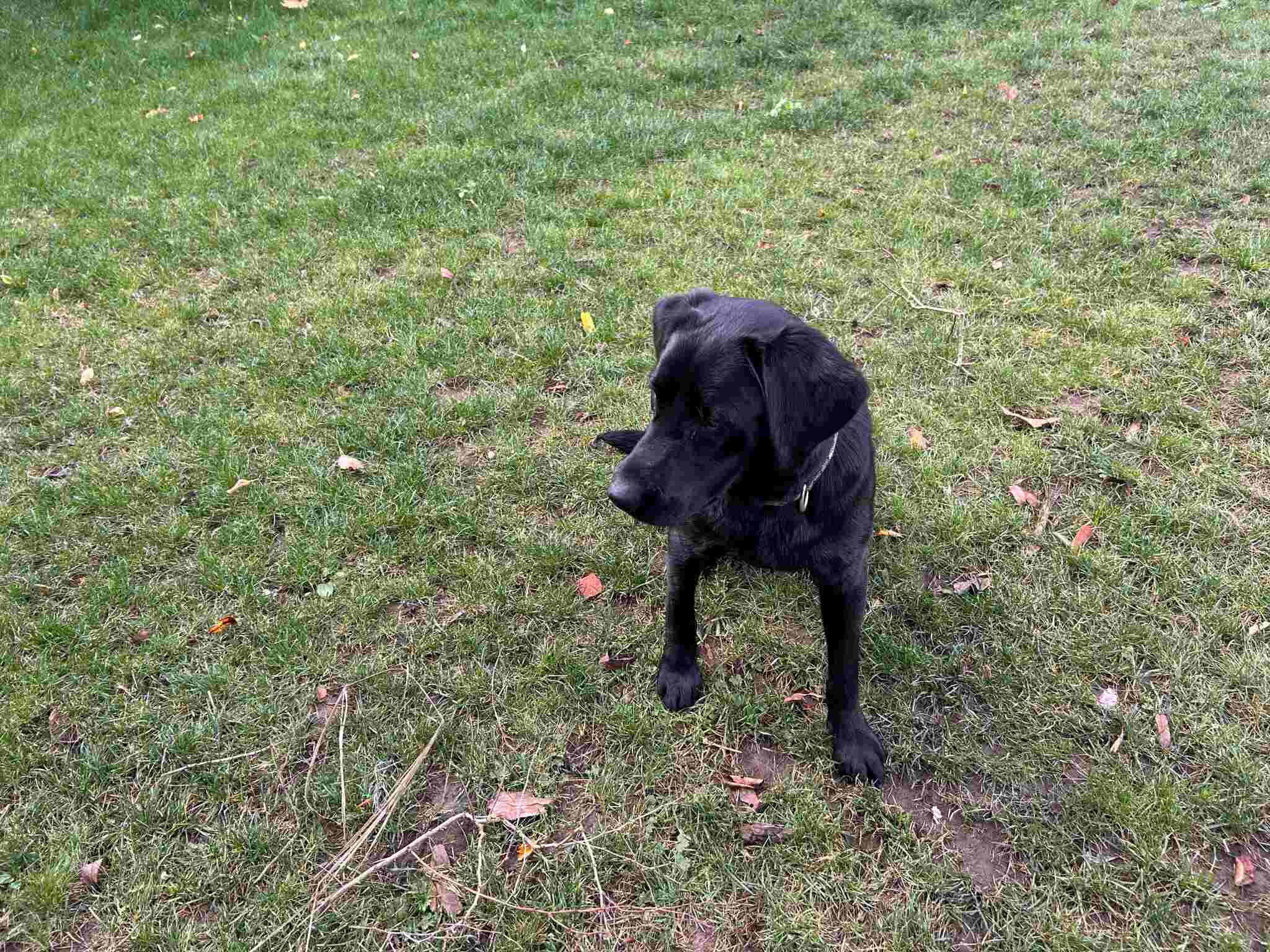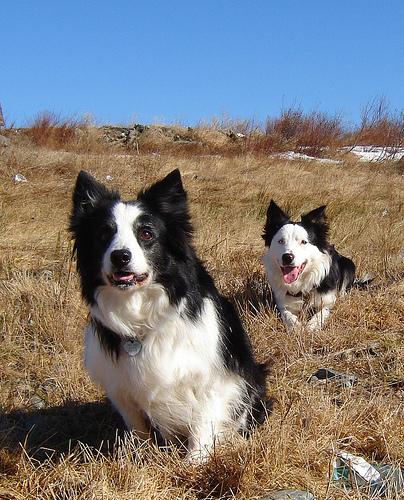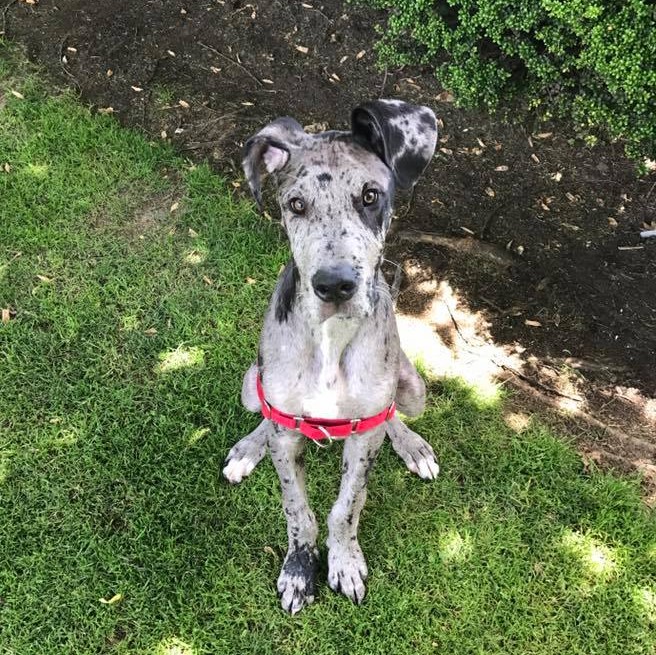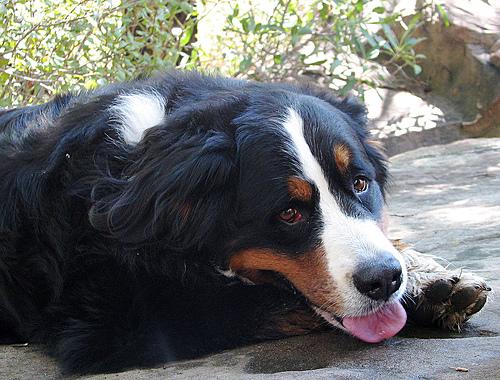
Around age 7 (earlier for giant breeds), your dog crosses into their senior years and their needs shift. A few thoughtful changes can add comfortable, happy time.
Diet
Metabolism slows, so calorie needs often drop — but protein should stay high to preserve muscle. Many seniors benefit from added omega-3s for joints and brain, and more fiber for digestion. Ask your vet before switching to a "senior" formula; the right choice depends on your dog's health.
Exercise — Gentler, Not Less Frequent
Daily movement protects joints, weight, and mood. Trade one long outing for two or three shorter walks. Swimming and sniff-walks are ideal low-impact options.
Comfort Upgrades They've Earned
- Orthopedic memory-foam bed off cold, hard floors.
- A ramp or steps for the couch or car.
- Raised bowls to ease neck and back strain.
- Non-slip rugs or runners over slick floors.
- Extra warmth in winter — seniors feel the cold.
Quality of Life
Keep their mind busy with easy puzzles and gentle training, and stay on top of pain — arthritis is treatable. Talk openly with your vet about what good days look like, so you can keep prioritizing your dog's comfort and joy at every stage.