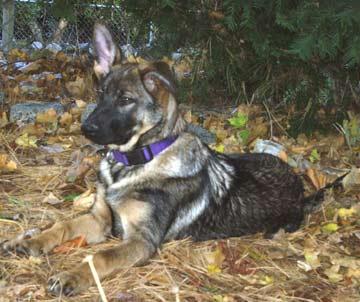
A crate taps into a dog's natural denning instinct and becomes a safe retreat that also helps with house-training, travel, and rest. The whole game is making the crate a place of good things — never a place of punishment.
Set It Up for Success
- Size it so the dog can stand, turn, and lie down — no bigger for a puppy, or they'll potty in one corner.
- Add soft bedding (skip it if your puppy chews or soils it at first).
- Place it in a calm but not isolated spot — a bedroom or quiet corner of a living area.
The Step-by-Step Plan
- Day 1–2: Door open. Toss treats inside and let the dog wander in and out freely. Feed meals just inside, then fully inside.
- Day 3–4: Add a cue like "crate," reward going in, and close the door for a few seconds while you sit nearby, then open it.
- Day 5–7: Build duration with the door closed while you stay in the room — a minute, then several — pairing it with a long-lasting chew.
- Week 2: Start brief departures from the room, then the house, always returning calmly before stress builds.
Golden rules: never use the crate as punishment, never leave a dog crated so long they're forced to soil it, and always give exercise and a potty break before crating.
Troubleshooting
- Whining: make sure it isn't a potty need; otherwise wait for a brief pause before opening so you don't reward the noise.
- Won't settle: a frozen stuffed Kong and a covered crate (for den-like calm) often help.
- Real panic: frantic escape attempts or injury can signal separation anxiety — see that guide and talk to your vet.
How Long Is Too Long?
A rough guide for puppies: no more than their age in months plus one, in hours (a 3-month-old, about 4 hours max), and less during the day. Adults shouldn't be crated more than a normal workday without a midday break, walk, or sitter.