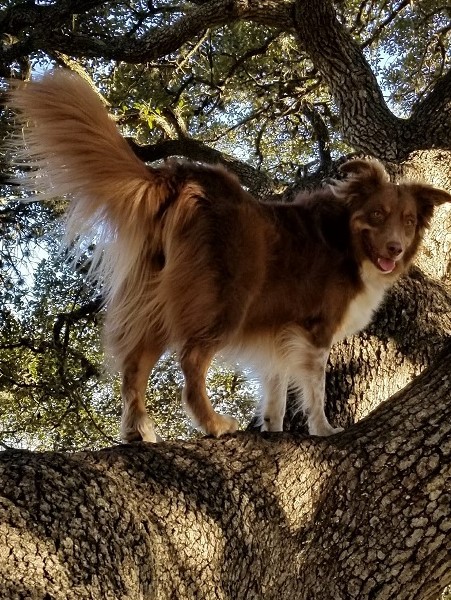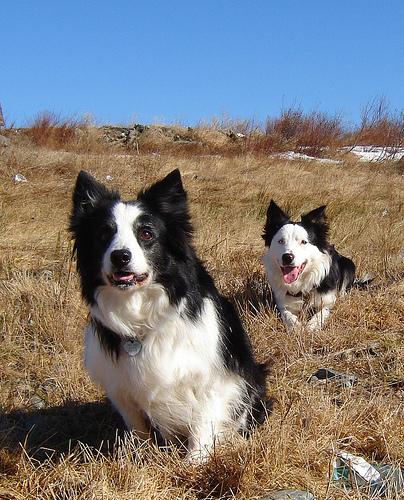
The first year is a critical learning window. The cues you build now shape behavior for life. Keep it short, positive, and consistent, and you'll be amazed how quickly a puppy picks things up.
The 10 Essential Commands
- Sit — the foundation cue and the easiest first win.
- Stay — impulse control; can be life-saving near roads.
- Come (recall) — the single most important safety cue your dog can know.
- Down — promotes calm and settles an excited dog.
- Leave it — stops your dog before they grab something dangerous.
- Drop it — releases what's already in the mouth (different from leave it).
- Heel / loose-leash — walking without pulling.
- Place — sends your dog to a mat or bed to settle.
- Off — four paws on the floor; off furniture or people.
- Watch me — eye contact that redirects focus to you in distracting situations.
Golden rule: Keep sessions to 5–10 minutes. Three short sessions a day beat one long, frustrating one. Always end on a success.
The Order to Teach Them
Start with Sit, then Down and Stay once Sit is reliable. Practice Come every single day in low-distraction settings before adding challenge. Teach Leave it and Drop it early — they're safety skills. Loose-leash walking takes the longest, so be patient.
How to Teach "Sit" (a Template for the Rest)
- Hold a treat at the dog's nose, slowly raise it back over the head.
- As the rear drops, mark the instant with a clicker or the word "yes," then give the treat.
- Add the word "sit" only once the motion is reliable — say it once.
- Fade the lure: same hand motion without food, reward from the other hand.
Common Mistakes That Slow Progress
- Repeating a cue ("sit, sit, sit") — say it once, then help the behavior happen.
- Punishing instead of redirecting — that builds fear, not understanding.
- Training when you or the dog is tired or frustrated.
- Inconsistent words across the household — agree on one word per behavior.
- Rewarding too late — mark within one second so the dog knows exactly what earned it.
When to Get Help
If you see growling, snapping, or intense fear, skip the DIY phase and book a certified positive-reinforcement trainer or a veterinary behaviorist. Early help is far easier than undoing a rehearsed problem later.